JR Metal Chennai

Our Technology

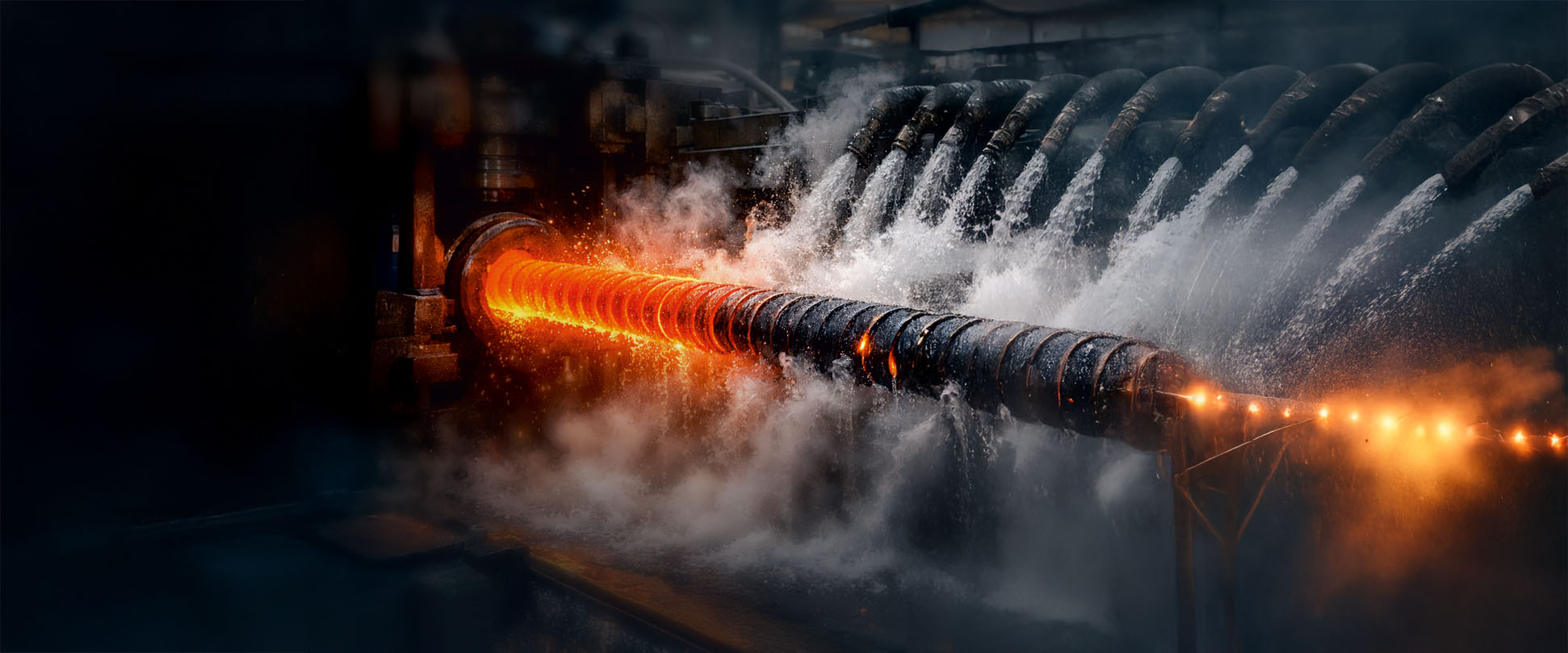
JR TMT bars are produced using advanced and globally recognized thermo-mechanical treatment process that transforms steel at a structural level. Unlike traditional cold-twisted bars, this method enhances both strength and flexibility through controlled heat treatment rather than mechanical deformation.

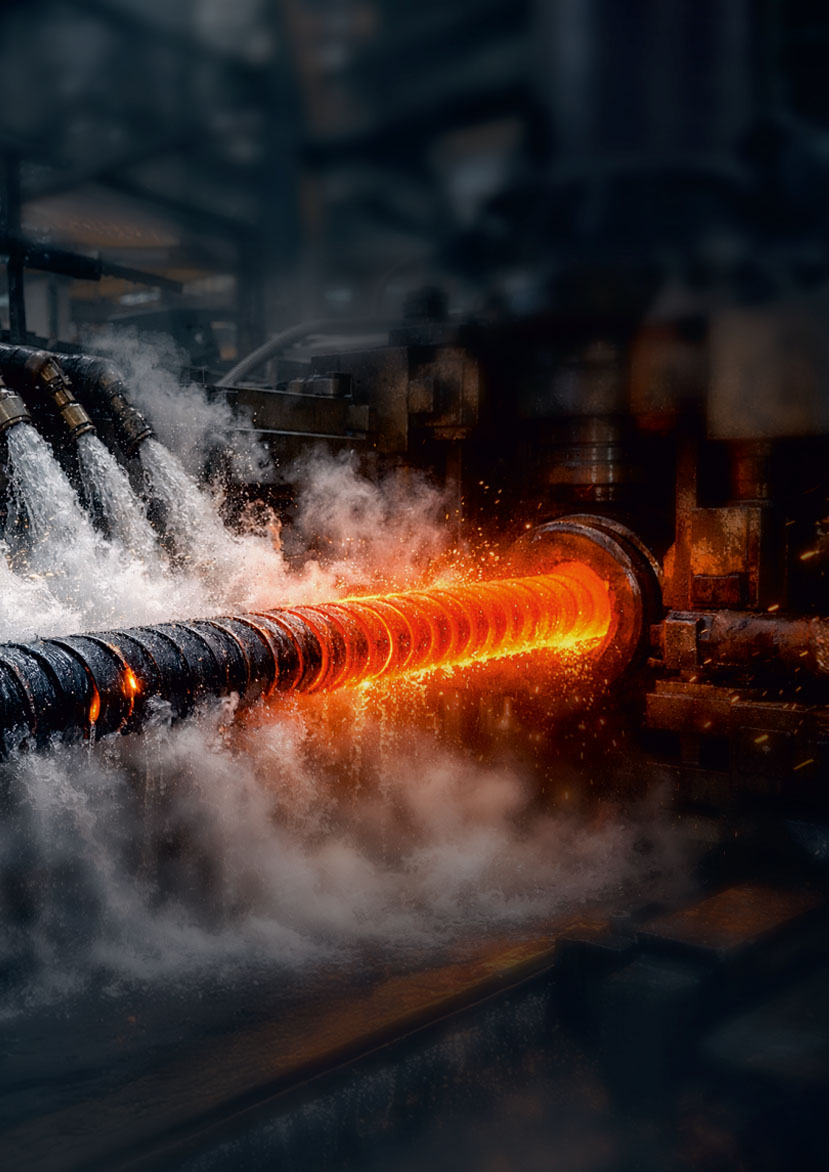
As the bars exit the rolling mill, they pass through a precisely engineered quenching system where rapid water cooling hardens the outer surface. This creates a tough martensitic layer, while the inner core remains softer and more ductile. The residual heat from the core then naturally tempers the surface, forming a balanced microstructure that combines tensile strength with toughness and weldability.

Our manufacturing systems are calibrated to maintain exact cooling intensity and temperature control, ensuring uniform mechanical properties in every bar. The result is steel with excellent bendability, dimensional precision, and strong resistance to seismic and dynamic loads, built to perform in demanding construction environments.

Technologies Adopted

At JR Metal, quality is not inspected at the end, it is engineered at every stage. From raw material intake to final dispatch, each step is governed by rigorous testing and documented precision.

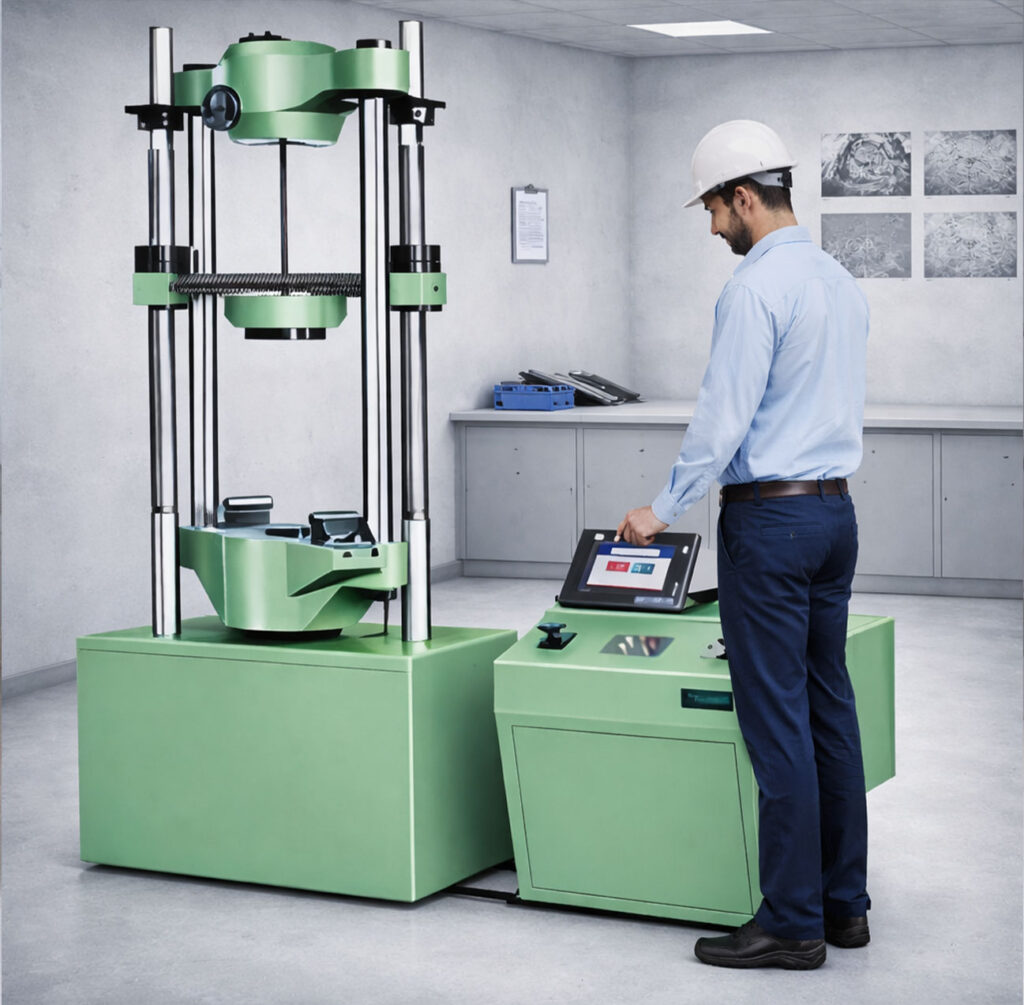
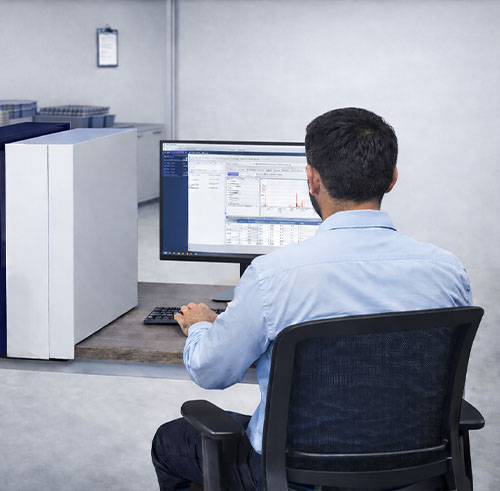
Our in-house laboratory is equipped with 120 MT and 100 MT Universal Testing Machines to evaluate tensile strength and mechanical performance with complete accuracy. Billets are first analyzed in a Spectrolab to confirm exact chemical composition before entering the rolling process.

During production, samples are collected at fixed intervals to verify sectional weight and physical properties. The first and last bars of every lot undergo detailed chemical analysis for carbon, manganese, silicon, sulphur, and phosphorus, ensuring consistency across batches. Each lot is traceable through systematic labeling and certification.

Backed by BIS licensing and ISO certification, JR Metal upholds national and international quality benchmarks with discipline, transparency, and uncompromising standards.


Universal Testing Machine: 120 MT

  • Fully computerized with zero human interference
  • +34 parameters tested in 60 seconds
  • No manipulation possible thus ensures reliability
  • High accuracy of tensile bend and rebend test

Spectrometer

  • Proven German Technology
  • Extremely accurate testing
    and instant results
  • Superior analytical performance

CNC RIB Cutting Machine

  • Uniform ribs throughout the length of the bar.
  • Avoids distortion of roll material and material properties.
  • 4 axis CNC ensures perfect angles and degrees.

Laboratory Furnace (5 kg. capacity)

  • Actual production simulation possible
  • Facilitates actual working conditions, testing & analysing
  • Enhances predictability, consistency, and long-term reliability of steel

Energy Excellence & Sustainable Manufacturing

JR Metals is committed to integrating energy efficiency, sustainability, and regulatory compliance into every aspect of its operations. With a strong focus on responsible manufacturing and continuous improvement, the company has established a robust energy framework that enhances performance while minimizing environmental impact.

Energy Policy & Strategic Focus

The company actively works towards minimizing specific energy consumption (kWh per metric ton of steel) through continuous monitoring, benchmarking, and periodic energy audits. By leveraging advanced equipment, process integration, and operational controls, JR Metals consistently reduces energy intensity across its production cycle. A significant emphasis is placed on increasing the share of renewable energy through investments in solar and wind power, supporting long-term sustainability and reduced dependence on conventional energy sources.

Automation and digital monitoring systems play a crucial role in optimizing plant performance. Advanced technologies ensure efficient utilization of electrical and thermal energy, while aligning operations with energy conservation standards prescribed by the Bureau of Energy Efficiency and the Ministry of Power.

Energy-Efficient Manufacturing Process
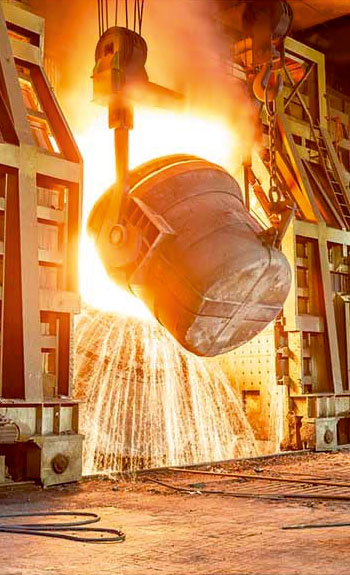
JR Metal follows a highly optimized steel manufacturing process designed to maximize thermal efficiency and minimize energy losses. Production begins with the melting of sponge iron and scrap in advanced induction furnaces, followed by continuous casting into billets under controlled conditions.

A key differentiator is the adoption of direct hot charging, where billets are transferred to the rolling mill at high temperatures immediately after casting. This eliminates the need for reheating furnaces—one of the most energy-intensive stages in conventional steel plants. This integrated approach delivers multiple advantages:

  • Significant reduction in thermal energy consumption
  • Elimination of fuel usage for reheating
  • Faster production cycles and improved throughput
  • Reduced oxidation losses and better material yield
  • Consistent metallurgical properties

The rolling process further incorporates thermo-mechanical treatment using controlled water quenching, achieving required strength and ductility without additional energy-intensive processes.

Key Energy Conservation Measures
JR Metal has implemented a range of targeted initiatives to enhance energy efficiency:

  • Continuous Casting with Hot Charging: Eliminates reheating, saving substantial energy
  • Energy-Efficient Motors & VFDs: Optimize power usage and reduce peak loads
  • Power Factor Correction Systems: Improve electrical efficiency and minimize losses
  • Advanced Insulation & Cooling Systems: Reduce thermal losses and enhance product quality
  • Department-wise Energy Monitoring: Enables real-time tracking and data-driven improvements

Commitment to Sustainability
Through its integrated approach, JR Metal significantly reduces carbon emissions, enhances energy efficiency, and promotes cleaner industrial practices. The company continues to expand its renewable energy portfolio with a clear vision of achieving higher levels of green energy utilization in the near future.